Nation building is often described as a collective effort—an intricate collaboration between policy makers, economists, architects, planners, scientists, and communities. Yet among these critical contributors, the civil and structural engineer stands out as one of the most indispensable forces shaping the physical reality of modern societies. Their work forms the backbone of every thriving nation, influencing how people live, work, travel, and prosper.
From the bridges that shorten distances to the high-rise structures redefining skylines, the civil and structural engineer plays a pivotal role in transforming a nation’s vision into tangible, lasting progress. This article explores the deep significance of these professionals, their evolving responsibilities, and how their expertise directly contributes to national development.
Introduction: Engineering as the Foundation of Progress
Every nation’s growth depends heavily on its infrastructure. Roads, water treatment systems, airports, power plants, dams, hospitals, and industrial zones are more than just facilities—they are strategic assets that determine economic competitiveness and quality of life.
Behind every successful infrastructure system stands the careful planning and execution of a civil and structural engineer. Their work ensures that development is not only possible, but also sustainable, safe, and resilient.
Modern nation building cannot exist without engineering. As global populations rise, urbanization accelerates, and climate challenges intensify, the demand for highly skilled civil and structural engineers continues to grow. They are the frontline problem-solvers who shape a future-oriented built environment.
Understanding the Role of the Civil and Structural Engineer
While the titles often overlap, each carries a distinct specialization:
Civil Engineer
A civil engineer is responsible for the planning, design, construction, and maintenance of the broader infrastructure systems. These include:
- Transportation networks
- Water supply and wastewater systems
- Environmental engineering projects
- Major public facilities
- Large-scale land development
- Urban planning coordination
Their scope is wide, multidisciplinary, and essential for national functionality.
Structural Engineer
A structural engineer, a specialized branch within civil engineering, focuses specifically on ensuring that buildings and structures are strong, stable, and capable of resisting forces such as gravity, wind, earthquakes, and temperature changes.
They design:
- High-rise towers
- Residential and commercial buildings
- Bridges and flyovers
- Industrial frameworks
- Stadiums and arenas
- Dams and power structures
Together, the civil and structural engineer ensures that infrastructure is not only planned correctly but built to endure.
The Civil and Structural Engineer in Nation Building
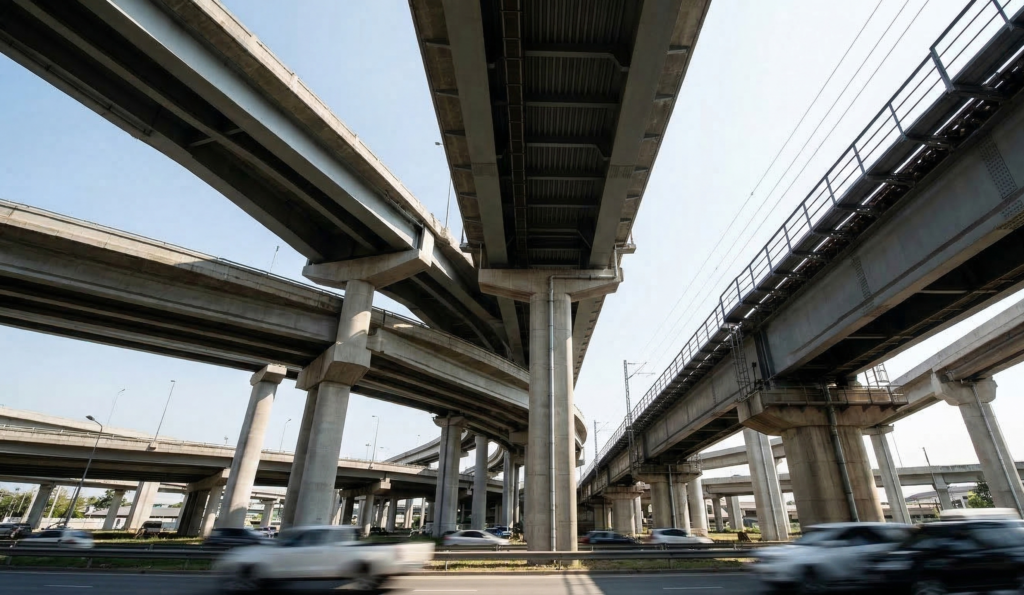
Developing Reliable Transportation Networks
Transportation systems are the lifeblood of commerce. A nation’s productivity depends on how efficiently people and goods can move.
A civil and structural engineer contributes by:
- Designing highways, expressways, and bridges
- Planning public transport systems such as metro rail or bus rapid transit
- Improving logistics through better ports and terminals
- Ensuring transportation structures are durable and cost-effective
Without these systems, economic activities would slow, prices would rise, and development would stagnate.
Building Sustainable and Livable Cities
Urbanization is rapid. Cities are expected to house nearly 70% of the world’s population by 2050. To accommodate such growth, modern cities require sustainable infrastructure.
Civil and structural engineers shape cities by:
- Designing residential communities
- Planning water drainage and sewage systems
- Ensuring buildings adhere to safety and environmental standards
- Integrating smart-city technologies into development
- Enhancing climate-resilient infrastructure
A nation with well-planned cities attracts investment, improves citizen well-being, and increases economic resilience.

Ensuring Safe Housing and Commercial Structures
The structural engineer plays a crucial role in preventing catastrophic failures. Their calculations and designs ensure buildings can withstand natural and human-induced forces.
Key responsibilities include:
- Load analysis
- Earthquake-resistant design
- Material optimization
- Structural inspections
- Safety assessments
- Risk mitigation techniques
Well-engineered structures reduce the risk of collapse, protect lives, lower maintenance costs, and prolong the lifespan of national assets.
Engineering for Economic Growth
Enabling Industrial and Business Expansion
Factories, power plants, warehouses, and logistics hubs form the backbone of industrial growth. A civil and structural engineer ensures these facilities are structurally sound, efficiently designed, and compliant with regulations.
Industries thrive when:
- Sites are accessible
- Buildings are safe
- Power and water are secured
- Transport links are strong
- Environmental risks are managed
Engineering excellence directly translates into improved productivity and competitiveness.
Reducing Costs Through Efficient Design
Modern engineering focuses heavily on cost optimization without compromising quality. Through advanced design tools, materials science, and innovative construction methods, engineers help governments and companies reduce:
- Construction time
- Material waste
- Energy use
- Long-term repair costs
This efficiency allows national budgets to stretch further and support more development projects.
Creating Jobs and Skill Development
The infrastructure sector generates millions of jobs. Every bridge, road, or building requires:
- Construction workers
- Surveyors
- Designers
- Project managers
- Machine operators
- Maintenance staff
Civil and structural engineers not only lead these teams but also help develop the next generation of skilled professionals through training and mentoring.
Innovation and Technology Shaping Modern Engineering
Digital Transformation in Engineering
The life of a civil and structural engineer has been transformed by digital tools such as:
- Building Information Modeling (BIM)
- 3D structural analysis software
- 3D civil design software
- Geographic Information Systems (GIS)
- Drone surveying
- AI-driven design optimization
- Digital twins
These tools improve accuracy, reduce errors, and enable smarter decision-making throughout a project’s lifecycle.

Sustainable Engineering Solutions
Sustainability is a global priority. Engineers lead these efforts by adopting:
- Low-carbon materials
- Green building standards
- Renewable energy integration
- Water conservation technologies
- Recycling-focused design strategies
This ensures that development does not compromise environmental health.
Resilient Infrastructure for a Changing Climate
Climate change brings increased risks—floods, storms, earthquakes, and heatwaves. A civil and structural engineer plays a key role in designing resilient systems:
- Elevated structures in flood-prone regions
- Storm-proof bridges and roads
- Earthquake-resistant high-rise buildings
- Heat-resilient materials and construction techniques
Nations capable of withstanding natural disasters recover faster and maintain economic stability.
Civil and Structural Engineers as Guardians of Public Safety
Safety is not an afterthought; it is the foundation of engineering. Civil and structural engineers spend countless hours analyzing risks to protect human life.
They safeguard the public by ensuring:
- Bridges do not fail under strain
- Buildings remain safe during earthquakes
- Water systems remain uncontaminated
- Traffic systems minimize accidents
- Dams are monitored for stability
These contributions often go unnoticed by the public—but without them, modern life would be impossible.
Infrastructure as a Reflection of National Identity
Iconic landmarks symbolize progress. Whether it is a majestic bridge, a cutting-edge stadium, or a futuristic skyscraper, such structures represent a nation’s ambition and capability.
Behind these symbols is always the thoughtful expertise of a civil and structural engineer who converts bold architectural visions into reality.
Their work becomes part of a nation’s cultural story—lasting for generations.
The Future of Civil and Structural Engineering in Nation Building
As nations continue to grow, the responsibilities of engineers evolve:
Smart Infrastructure
Future infrastructure will be embedded with sensors, automation systems, and data analytics. Engineers will design:
- Intelligent highways
- Automated transport systems
- Self-monitoring bridges
- Smart water networks
Carbon-Neutral Construction
Environmental responsibility will drive new innovations:
- Carbon-capture materials
- Fully recycled concrete
- Ultra-lightweight composites
- Off-site modular construction
Space and Vertical Expansion
With limited land, nations are building:
- Taller skyscrapers
- Underground transport systems
- Floating and offshore structures
A civil and structural engineer will be central to making these future systems safe and reliable.
Conclusion: The Unsung Architects of Nationhood
While political leaders create policies and visions, it is the civil and structural engineer who translates these goals into functioning realities. Their work shapes the world we live in—literally.
They build the infrastructure that fosters economic growth, enhances safety, supports communities, and strengthens national identity. They create the frameworks that allow societies to thrive today and in the centuries to come.
A nation’s prosperity is reflected in the quality of its infrastructure—and the quality of that infrastructure is a direct reflection of the engineers who design it.
As the world moves forward, the role of civil and structural engineers will only become more vital. They remain the cornerstone of modern nation building, the guardians of safety, the catalysts of progress, and the quiet visionaries behind the structures that define our daily lives.